How to Build a Healthy Grocery List for Weight Loss
A practical grocery list framework for protein, produce, pantry staples, snacks, and flexible meals.
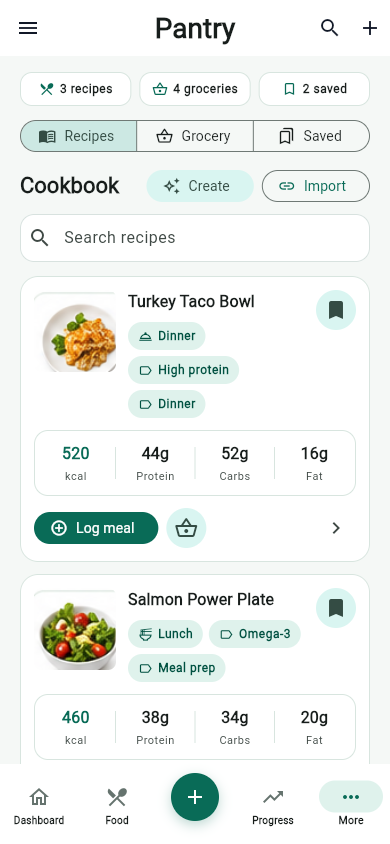
A healthy grocery list for weight loss should make the next few meals easier to execute. It does not need to be perfect; it needs to support the foods you are likely to cook, log, and repeat.
Start with protein
Pick protein options for the meals you actually eat: eggs, yogurt, chicken, fish, tofu, beans, lentils, lean meat, cottage cheese, or protein-forward leftovers.
Add produce that fits your schedule
Fresh produce is useful, but frozen and canned options can reduce waste and prep time. Choose vegetables and fruit you know how to use during the week.
Choose carbs you can portion easily
Oats, rice, potatoes, tortillas, whole-grain bread, beans, and fruit can all fit. The key is matching portions to your day instead of treating a whole category as off limits.
Keep snacks intentional
Snacks work best when they solve a real problem: protein is low, dinner is late, or you need a portable option. Put those choices on the list before impulse snacks fill the cart.
Grocery list template
- Three protein anchors.
- Two vegetables you will cook and one no-cook option.
- Two fruit options.
- One or two carb staples.
- One backup meal for a busy night.
- One snack that supports the day instead of derailing it.
Sources and further reading
- Tips for Healthy Eating for a Healthy Weight Centers for Disease Control and Prevention
- MyPlate U.S. Department of Agriculture
- Dietary Guidelines for Americans, 2025-2030 U.S. Department of Health and Human Services and USDA
Related articles
- Meal Planning With a Grocery List: A Simple Weekly System
- Can a Grocery List Automatically Sort Recipe Ingredients by Store Aisle?
- Can a Recipe App Import a Recipe From a URL and Turn It Into a Meal Plan?
Install free. Keep the core tracker free.
Log food, scan barcodes, track macros, and review progress without starting a subscription.