Do You Really Need an Electrolyte Drink?
Learn when water is enough, when heat and prolonged exercise may change the equation, and how to evaluate electrolyte drinks without overlooking sugar, sodium, caffeine, or portion size.
Do you really need an electrolyte drink, or has hydration marketing made a basic question feel complicated? For most ordinary days, water and regular meals are enough. The answer can change when you spend several hours sweating, exercise in significant heat, or combine long-duration activity with limited access to food. The useful question is not whether electrolytes are healthy in the abstract. It is whether a particular drink matches the fluid, sodium, carbohydrate, calorie, and caffeine demands of the activity in front of you.
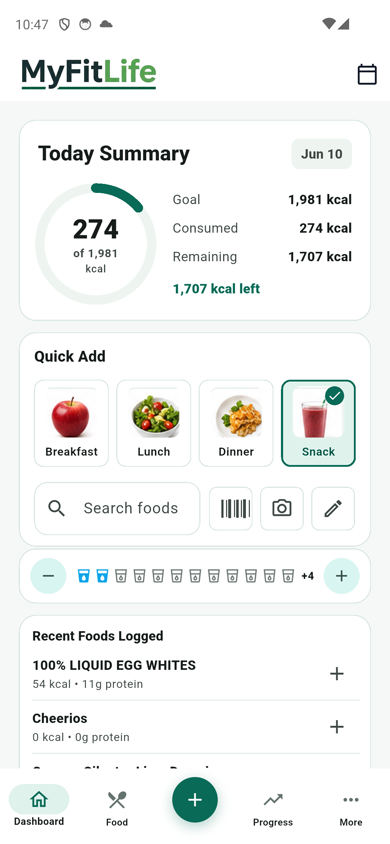
MyFitLife treats hydration as part of the larger nutrition pattern. It can help you log water, sports drinks, powders, coffee, and other beverages alongside meals, activity, and progress. It does not diagnose dehydration, calculate a medical electrolyte prescription, measure blood sodium, or tell you that a branded product is necessary. Its role is to make the choice visible and repeatable so you can compare what you drink with the conditions in which you drink it.
What are electrolytes, and what does an electrolyte drink provide?
Electrolytes are minerals that carry an electric charge in body fluids. Sodium, chloride, potassium, calcium, and magnesium are common examples. They are involved in fluid balance and normal nerve and muscle function. You obtain electrolytes through food and beverages, and you lose some through sweat. An electrolyte drink is a commercial beverage, powder, tablet, or mix designed to provide some combination of fluid and minerals. Many sports drinks also contain carbohydrate, usually as sugar, because carbohydrate can provide fuel during prolonged activity.
Those products are not interchangeable. One drink may contain mostly water and a small amount of sodium. Another may contain substantial sugar and sodium. An electrolyte powder may include potassium or magnesium but very little sodium. An oral rehydration solution has a different purpose and formulation from a flavored wellness drink. The word electrolyte on the front of a package tells you that minerals were added; it does not tell you that the product is appropriate for your day.
When is water usually enough?
For routine hydration, daily errands, desk work, and many short or moderate workouts, plain water is a practical default. Water provides fluid without calories or added sugar, and regular meals generally provide the minerals most people need. The exact amount of fluid a person needs varies with body size, food intake, activity, climate, health status, and other factors, so a single universal gallon target is not a sound starting point.
- A normal workday in a temperate environment usually does not require a sports drink.
- A short walk, light workout, or ordinary gym session can often be supported with water and normal meals.
- A beverage with added electrolytes is not automatically better than water if you are not losing significant fluid through sweat.
- Drinking more than you need is not a performance strategy; very large fluid intakes can also create problems.
How do heat, exercise, and sweat change the equation?
Context matters more than the label on your workout. Heat, humidity, direct sun, protective clothing, pace, body size, acclimatization, and exercise duration all affect how much you sweat. A casual session in an air-conditioned gym is different from several hours of running, cycling, hiking, field work, or outdoor sport on a hot day. The longer and more heavily you sweat, the more reasonable it may be to consider a drink that includes electrolytes, particularly sodium, instead of relying on taste, advertising, or a fixed routine.
- For everyday activity, start with water and normal meals.
- For shorter exercise, carry water and adjust for heat, pace, and personal sweat loss.
- For prolonged activity with several hours of sweating, compare a balanced electrolyte product with your planned food and fluid intake.
- For repeated training in heat, use rest, cooling, pacing, and acclimatization as part of the plan; a drink cannot compensate for unsafe conditions.
- Stop activity and move to a cool place if you feel faint, weak, confused, unusually nauseated, or otherwise unwell.
When might an electrolyte drink be useful?
An electrolyte drink can be a practical option during prolonged sweating, especially when activity lasts for several hours and regular food is difficult to access. It may also provide carbohydrate that some endurance activities require. That does not make it a universal requirement for exercise, and it does not mean that the most expensive or heavily marketed product is the best choice. The drink should be evaluated as one component of a plan that includes cooling, breaks, food, and a manageable pace.
The same principle applies to outdoor work. CDC and NIOSH guidance emphasizes access to cool water, frequent drinking, rest breaks, and heat controls. NIOSH notes that sports drinks with balanced electrolytes may be considered when sweating lasts for several hours. That is a narrower recommendation than drinking an electrolyte product every day simply because the weather is warm.
How should you compare electrolyte drink labels?
Read the Nutrition Facts label and the serving instructions instead of judging a product by its name. A bottle may contain two or more servings, and a scoop of powder may be measured for a different volume of water than the bottle you use. Compare the product with the activity, not with another product category.
- Sodium: identify the amount per serving and calculate the amount in the full bottle or prepared mixture.
- Added sugar and carbohydrate: decide whether the calories serve a purpose during prolonged activity or simply become an overlooked beverage habit.
- Total calories: include liquid calories in the same daily picture as meals and snacks.
- Caffeine and stimulants: distinguish hydration products from energy drinks, which may contain substantial caffeine or other stimulating ingredients.
- Potassium, magnesium, and other minerals: more minerals are not automatically better, and a higher number does not establish personal need.
- Serving size: check whether the label describes the amount you actually drink.
What does this mean for weight and glucose management?
A sports drink can be useful in a long, demanding session and still be unnecessary during a sedentary afternoon. If you are working on weight management, the distinction matters because liquid calories can be easy to miss. A drink with nearly one hundred calories may have a reasonable place during a long endurance workout, but adding the same drink to an ordinary day can quietly change total intake. Sugar-free products may reduce calories, but they still need to fit your taste, budget, tolerance, and overall eating pattern.
If you monitor glucose as part of a clinician-directed plan, log the beverage, serving size, carbohydrate, timing, activity, and surrounding meal. MyFitLife can organize that food and beverage context, but it does not measure glucose or interpret readings as medical advice. Do not use a general wellness app to change medication, treat a low reading, or create a carbohydrate or sodium prescription. Use your care team instructions for those decisions.
How can MyFitLife make the decision more practical?
The most useful hydration plan is one you can observe. MyFitLife lets you record water and other beverages in the same system as meals, activity, and progress. That makes it easier to answer practical questions: Are you forgetting to drink during work? Are sports drinks appearing on days without prolonged exercise? Does a particular product add more sugar or caffeine than expected? Is the product replacing a meal, or is it being added on top of one?
- Use the hydration tracker to establish a baseline for ordinary days.
- Log the exact beverage and serving size when you use a sports drink or electrolyte mix.
- Review calories, carbohydrate, added sugar, sodium, and caffeine with the rest of the day intake.
- Pair hydration notes with activity duration and heat exposure so the context is not lost.
- Use saved beverages or repeatable routines when a product genuinely fits your training pattern.
Try a one-week hydration experiment
You do not need to make hydration more complicated before you know where the problem is. Use one week to separate routine thirst, forgotten water, heat exposure, and prolonged sweat loss.
- Log your usual beverages for three ordinary days without changing anything.
- Record the duration, setting, and approximate intensity of workouts or outdoor work.
- Mark days with substantial heat, humidity, or prolonged sweating.
- Compare water-only days with electrolyte-drink days for calories, added sugar, sodium, comfort, and repeatability.
- Keep the simplest approach that supports the activity and does not create unwanted beverage calories or unnecessary complexity.
When should you get individualized guidance?
If a clinician has told you to limit fluids, sodium, potassium, sugar, or certain minerals, ask that clinician how commercial drinks fit your plan. The same applies if you have a condition or treatment that changes fluid balance, or if you are dealing with persistent vomiting, diarrhea, severe dehydration symptoms, confusion, fainting, or suspected heat illness. A sports drink is not a substitute for urgent medical care, and salt tablets or concentrated supplements should not be treated as harmless shortcuts.
The MyFitLife answer
Most people do not need an electrolyte drink for every day or every workout. Water and regular meals are a strong default for ordinary hydration. Electrolyte drinks become more relevant when heat, duration, and sustained sweating create a different fluid and fuel context. MyFitLife helps you evaluate that context by logging hydration, beverages, meals, activity, and progress together. The answer is not to buy the most persuasive product. It is to choose the simplest option that matches the day, verify the label, and keep the decision visible enough to improve over time.
Sources and further reading
- About Water and Healthier Drinks Centers for Disease Control and Prevention
- Workplace Recommendations: Heat Stress CDC National Institute for Occupational Safety and Health
- Heat and Athletes Centers for Disease Control and Prevention
- Electrolytes MedlinePlus and the U.S. National Library of Medicine
- Rethink Your Drink Centers for Disease Control and Prevention
- Dietary Guidelines for Americans, 2025-2030 U.S. Department of Health and Human Services and USDA
- How to Understand and Use the Nutrition Facts Label U.S. Food and Drug Administration
Related articles
- How Do You Plan a Weekly 24-Hour Fast?
- What Should You Know Before Trying Intermittent Fasting?
- What Should You Track While Taking a GLP-1 Medication?
Install free. Keep the core tracker free.
Log food, scan barcodes, track macros, and review progress without starting a subscription.