What Should You Know Before Trying Intermittent Fasting?
A practical guide to intermittent fasting schedules, safety checks, protein, hydration, and what to track before you change meal timing.
Intermittent fasting sounds simple: change when you eat. In practice, it changes meal timing, hunger patterns, medication timing, workout fuel, hydration, and how much nutrition you can fit into fewer eating opportunities. That is why the key question is not whether fasting is trendy. It is whether your eating window still supports the day you need to live.
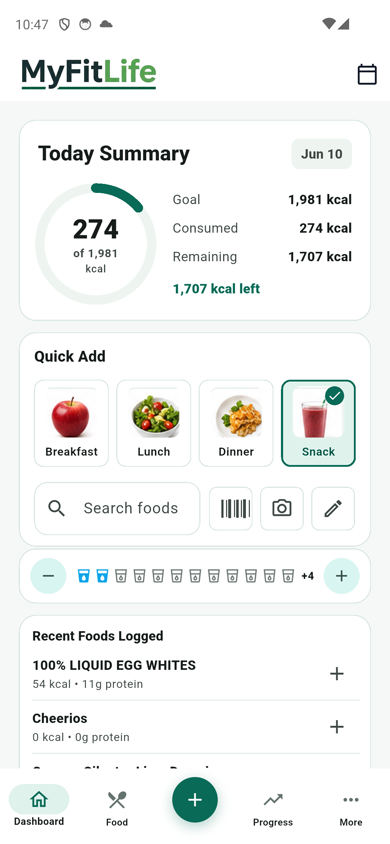
MyFitLife does not prescribe fasting schedules and does not replace medical care. Its best role is to make the fasting experiment measurable: meals logged, protein visible, hydration tracked, symptoms noted, and glucose-related patterns easier to discuss with a clinician when that applies.
Start with the schedule, not the label
Intermittent fasting is an umbrella term. Some people use a 12-hour overnight fast, some use a 14:10 or 16:8 time-restricted eating window, and others use alternate-day or 5:2 patterns. Those are not the same plan. A 12-hour overnight routine may simply reduce late-night grazing, while a tight 8-hour window can make it harder to eat enough protein, fiber, and fluids.
Log the schedule you are actually following. In MyFitLife, meal groups, timestamps, recent foods, hydration, and progress history can show whether the window is producing structure or just skipped meals followed by catch-up eating.
Know who should get medical guidance first
Fasting can be risky for people who use insulin or medications that can cause low blood glucose, people with a history of eating disorders, people who are pregnant or breastfeeding, growing teens, and anyone with a medical condition that requires regular nutrition timing. If diabetes, hypoglycemia, kidney disease, pregnancy, eating disorder history, or prescribed nutrition therapy is part of your context, talk with a qualified clinician before changing meal timing.
This safety step matters because fasting is not only a weight-management behavior. It can change carbohydrate timing, medication timing, blood glucose patterns, and hydration. For some users, the safest plan is not fasting at all; it is a more consistent meal schedule with better food quality.
Separate appetite control from nutrition quality
A fasting window can reduce opportunities to snack, but that does not automatically make the diet healthier. The nutrition inside the eating window still matters. A useful fasted routine should leave room for protein, vegetables or fruit, fiber-rich carbohydrates, healthy fats, and enough fluids.
- Protein: choose anchors that fit the eating window without requiring a huge meal.
- Fiber: add beans, lentils, vegetables, fruit, oats, or whole grains gradually.
- Hydration: log water during both fasting and eating windows if that fits your plan.
- Meal quality: use MyFit Score and nutrition details to compare foods in context.
- Repeatability: save meals that work so the schedule does not depend on willpower.
Track the first two weeks like a pilot
The first goal is not perfection. It is signal. Track the eating window, what you ate, how much protein you reached, whether hydration dropped, whether workouts felt different, and whether late-day hunger became harder to manage. If you monitor glucose, keep glucose notes connected to meals, fasting duration, activity, and medication guidance from your care team.
MyFitLife helps by keeping the context in one place. A fasting day with low calories but very low protein is different from a fasting day that includes two planned meals and steady water. A skipped breakfast followed by an unplanned dinner is different from a deliberate time-restricted routine with saved meals.
Compare fasting to the simpler alternative
A fasting window is only one way to reduce decision points. Some people get the same benefit from a planned breakfast, a protein-forward lunch, and a firm evening snack boundary. Others prefer time restriction because it removes late-night grazing. The evidence base is still mixed enough that the practical test matters more than the label: does this schedule make your week easier, safer, and more consistent than a standard meal plan?
That is why the baseline matters. Before tightening a window, log a normal week. Look at late snacks, sugary drinks, protein gaps, restaurant meals, hydration, and weekend drift. If the real issue is unplanned evening eating, a 12-hour overnight boundary may solve more with less risk than a strict fasting protocol.
Watch the signals that do not show up on the scale
Weight can move slowly, but fasting-related friction shows up quickly. Track energy, workout quality, sleep disruption, constipation, headaches, unusually strong cravings, missed protein, and hydration. If glucose monitoring is part of your care, note whether readings change around longer gaps, exercise, alcohol, illness, or unusually low-carbohydrate days.
These signals help separate a useful routine from an aggressive one. A plan that produces a small calorie reduction, stable meals, and no safety issues is different from a plan that creates large swings in hunger and forces you to recover with oversized meals.
Use a smaller decision tree
- Choose the least aggressive eating window that solves the real problem.
- Plan protein before the window begins.
- Log water as a daily guardrail.
- Save the meals that fit the window and still feel satisfying.
- Review weekly patterns before making the window tighter.
When fasting is not working
A fasting routine is not working if it repeatedly causes dizziness, uncontrolled hunger, rebound eating, missed medication instructions, poor workouts, low glucose episodes, or a diet that is technically lower in calories but lower in nutrition. The fix may be a wider window, a planned breakfast, more protein earlier, better hydration, or a different strategy entirely.
The MyFitLife answer
Intermittent fasting should be treated as a meal-timing experiment, not a personality test. MyFitLife makes the experiment easier to evaluate by tying the schedule to logged meals, protein, fiber, hydration, MyFit Score, grocery planning, and progress trends. If the data shows better structure and steady nutrition, keep refining. If it shows skipped nutrition and unstable days, change the plan.
Sources and further reading
- What Can You Tell Your Patients About Intermittent Fasting and Type 2 Diabetes? National Institute of Diabetes and Digestive and Kidney Diseases
- Fasting Safely with Diabetes National Institute of Diabetes and Digestive and Kidney Diseases
- Time-restricted eating for metabolic syndrome National Institutes of Health
- Intermittent fasting, traditional dietary advice, or no treatment: which works better to help adults lose weight? Cochrane
- Causes and How to Prevent Hypoglycemia American Diabetes Association
Related articles
- How to Set Up Fasting in MyFitLife: From Schedule to First Fast
- How Do You Plan a Weekly 24-Hour Fast?
- Do You Really Need an Electrolyte Drink?
Install free. Keep the core tracker free.
Log food, scan barcodes, track macros, and review progress without starting a subscription.